
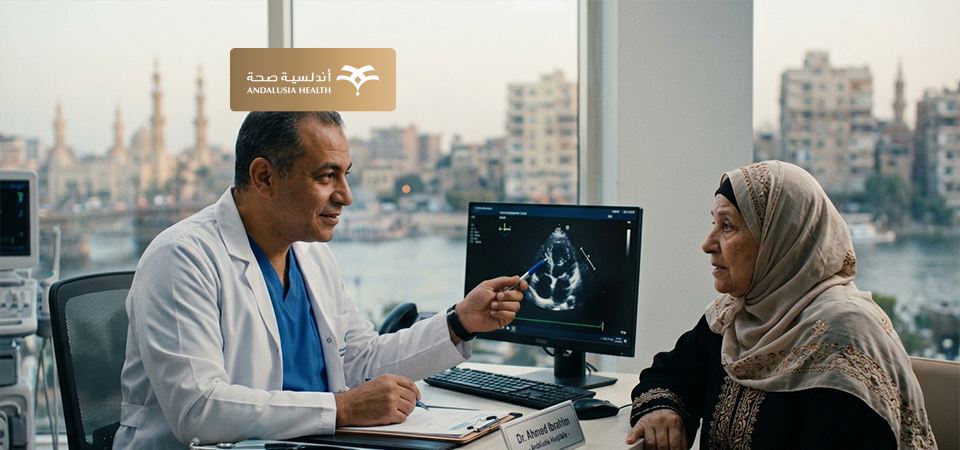
What is Cardiology? Understanding the Beat of Life “Heart Diseases “
what is cardiology? It is the medical specialty dedicated to diagnosing and treating disorders of the heart and blood vessels. A specialist in this field, a cardiologist, is your primary partner in tackling conditions like high blood pressure, heart attacks, and irregular heartbeats. At Andalusia, our cardiologists combine deep expertise with cutting-edge technology to ensure your ticker keeps ticking strongly.
The Main Types of Heart Diseases
Heart disease isn’t just one condition; it’s an umbrella term for several issues affecting the heart’s structure and function. Here are the most common types we encounter:
1. Coronary Artery Disease (CAD): The Silent Clog
This is the most common type of heart disease globally. It occurs when the major blood vessels that supply your heart with blood become clogged with plaque. Think of it as rust building up in a pipe. This narrowing restricts blood flow, leading to chest pain and, in worst cases, heart attacks.
2. Arrhythmia: When the Rhythm is Off
A healthy heart beats in a steady rhythm. Arrhythmia means your heart is beating too fast, too slow, or irregularly. The most common form of this is atrial fibrillation, a quivering or irregular heartbeat that can lead to blood clots and stroke. Patients often describe it as a “fluttering” sensation in their chest.
3. Heart Failure: The Weak Pump
The name sounds final, but it simply means the heart isn’t pumping blood as well as it should. It doesn’t mean the heart has stopped; it means it’s working inefficiently. This leads to fluid buildup and shortness of breath.
Silent Signs: Symptoms You Can’t Afford to Ignore
Your body sends signals when something is wrong. The key is listening. While chest pain is the classic sign, symptoms can be much more subtle, especially in women. Here are red flags that warrant a visit to a cardiologist:
- Unexplained Fatigue: Feeling exhausted after simple tasks like making the bed or walking to the car.
- Shortness of Breath: Difficulty catching your breath while resting or during light exercise.
- Swelling (Edema): Noticeable swelling in your feet, ankles, legs, or abdomen. One patient recently asked a doctor about swollen feet, and the immediate recommendation was an echocardiography and a Doppler on the leg veins to check for underlying issues.
- Fluttering Heart: That feeling that your heart is skipping a beat or racing. If you experience rapid heartbeats, doctors often recommend an echocardiography to get a clear picture. Cardiology Care with Andalusia — Book Your Appointment Now
Root Causes: Why Does Heart Disease Happen?
The “Your Heart is Your Responsibility” initiative, launched by the Egyptian Ministry of Health, highlights that heart health is a priority for the nation. But what causes the disease in the first place?
- High Blood Pressure (Hypertension): The silent killer that forces your heart to work too hard.
- Diabetes and Obesity: Common in our region, these conditions drastically increase your risk.
- Genetics: If your family has a history of heart disease, your risk is higher.
- Lifestyle Choices: Smoking, stress, and a diet high in salt and unhealthy fats directly damage your heart. Contact Andalusia to get your answers
Advanced Diagnostics and Treatments
If you suspect a problem, modern medicine offers incredible tools. At Andalusia, we provide access to top-tier diagnostics to get to the root of the issue. Get to know more
- Echocardiography: This is an ultrasound of your heart. It creates moving pictures of your heart, allowing doctors to see its size, shape, and how well your valves are working. It’s often the first step in diagnosis.
- Cardiac Catheterization: If blockages are suspected, this procedure involves threading a thin tube through a blood vessel to reach the heart. It helps doctors see exactly where and how severe the blockages are.
- Angioplasty: Often performed during catheterization, angioplasty is a procedure to open up blocked arteries. A small balloon is inflated to push the plaque against the artery walls, and often a stent is left behind to keep the artery open.
- Pacemaker: For those with severe arrhythmia, a pacemaker (a small device implanted under the skin) uses electrical impulses to regulate the beating of the heart.
Your Action Plan: Heart Health Tips for Our Community
Here are actionable heart health tips:
- Know Your Numbers: Check your blood pressure, blood sugar, and cholesterol regularly. Early detection saves lives.
- Move Your Body: You don’t need a gym. A 30-minute brisk walk daily—whether along the Nile or in your neighborhood—works wonders.
- Eat Smart: Embrace our Mediterranean diet! Focus on vegetables, whole grains, and fish. Go light on salt and fried foods.
- Manage Stress: Whether through prayer, meditation, or family time, find ways to unwind. Chronic stress strains the heart.
Why Choose Andalusia for Your Heart Health?
Taking control of your heart health is the most responsible decision you can make. At Andalusia, we offer comprehensive care under one roof. From precise echocardiography to complex cardiac catheterization and angioplasty, our team of expert cardiologists is here to guide you. Need answers? We are here 24/7. 📞 تواصل معنا instantly on WhatsApp